







Free initial advice
Midwife Medical Negligence Claims Guide
If you've been hurt, our trusted solicitors can help
No upfront fees. No obligation. A specialist will review your enquiry and come back to you.
Trusted by injured people across the UK




Free initial advice
If you've been hurt, our trusted solicitors can help
No upfront fees. No obligation. A specialist will review your enquiry and come back to you.
Trusted by injured people across the UK
Last updated 19th March 2026. Midwives have a duty of care to ensure that they provide the correct medical care to mothers and babies during pregnancy, labour and after the birth. If they fail to meet expected professional standards or make negligent errors you could have grounds to claim compensation. In this guide we will discuss midwife negligence claims.
We look at the eligibility criteria involved in clinical negligence claims. We then look at the ways in which negligence could occur, how you or your baby could be harmed and how payouts for midwife negligence compensation claims may be calculated. Finally, we then look at how midwife negligence experts could help you claim compensation.
For further information on how our team could help you, please read the guide below. When you are ready to get in contact with us, you can use the methods below.

 4.8
4.8Midwife negligence claims are the legal process used to pursue compensation for avoidable physical or psychological harm to a mother or baby resulting from substandard care during pregnancy, labour, or postpartum. Negligence can occur at any stage of maternity care, and commonly arises from failures to monitor foetal distress, delays in escalating to an obstetrician, or ignoring red-flag symptoms of pre-eclampsia.
In the aftermath of negligent maternal care, midwife negligence compensation can help fund your immediate and long-term needs. This can include private treatment from perineal clinics, physiotherapists, and mental health support. Settlements are also able to cover lost income and any lifelong care needs if your child suffered a severe birth injury. Our solicitors regularly assist clients in connecting with these essential services.
Get in touch with our advisors today for more information on how our specialist solicitors could help you seek the midwife negligence compensation that you deserve.
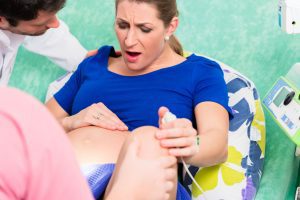
You can make a claim for midwife negligence compensation if it can be shown that the harm you or your baby suffered was avoidable and the result of a healthcare professional’s failure to provide the correct standard of care.
In order to seek midwife negligence compensation, the following elements must be present in your case:
As with every healthcare provider, midwives owe a legal and professional duty of care to both the mother and the baby throughout the antenatal, labour, and postnatal periods. This means they must provide treatment and care to the minimum expected standard. Organisations such as the Nursing and Midwifery Council provide resources to help midwives meet maternal care expectations.
To uphold their duty, midwives must regularly monitor maternal health, including symptoms of pre-eclampsia or high blood pressure, and ensure they properly track the baby’s wellbeing. They can do this, for instance, by monitoring cardiotocography tracing to detect any abnormalities that might indicate foetal distress.
Furthermore, midwives must exercise reasonable skill during delivery and conduct proper postpartum monitoring of both the mother and baby to identify signs of complications or infections.
A breach of duty arises if a midwife provides care that falls below the correct standards. This could occur if they fail to monitor heart rates, dismiss clear symptoms of foetal distress, delay calling an obstetrician when complications arise, or improperly use tools during delivery.
The final requirement is to demonstrate that the breach resulted in avoidable harm to either the mother or the baby. You could seek compensation for any harm that was caused by the substandard care, whether this be a perineal tear, undiagnosed pre-eclampsia or harm to the baby, such as brain or nerve damage leading to conditions like cerebral palsy and Erb’s palsy.
Additionally, compensation may be sought for any associated psychological harm arising from negligent care.
If your baby suffered avoidable harm during prenatal, delivery, or antenatal care, you may be able to seek compensation on their behalf by acting as their litigation friend. As children cannot pursue a claim on their own, this role involves handling the process on their behalf and discussing the particulars of the claim with the legal representative.
Get in touch with our advisors to learn whether you could bring your claim, or claim on behalf of your child, in midwife negligence claims.
Midwife negligence could occur in a variety of ways. These could include the following examples:
Contact an expert to learn more about midwife negligence claims.
The short answer is that you may be able to claim for midwife negligence which has harmed your baby. Those under the age of eighteen are not able to make medical negligence claims on their own behalf. If your child has been harmed through maternity negligence, you could apply to the court to act as a litigation friend.
A Litigation Friend may be a parent or guardian, other trusted adult or even a midwife negligence solicitor. They must be someone who can make decisions on behalf of the child in a competent and fair way.
For more information on how to make midwife negligence claims, please contact a member of our team today.

From birth defects to brain injuries, midwife negligence could harm a mother, baby or both in a wide range of different ways. Examples of the different ways in which someone could be harmed by medical negligence could include;
There are further types of birth injury to a mother or baby which could be caused by a healthcare professional’s negligence. For more information on birth injury claims, please contact our specialist team.
Following the birth of a baby and discharge from hospital your community midwife may visit you in the home, depending on the nature and circumstances of the delivery and medical needs of the mother or child. Following this, your community midwife will refer you to a health visitor.
The midwife will discharge a mother from their care when they are happy that the mother and baby are doing well. If the baby is not back to their birth weight, the midwife may provide extra care or refer you to a paediatrician.
Learn more about how midwife negligence experts could help you claim compensation.
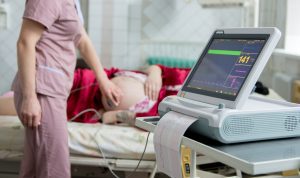
Successful midwife negligence claims may be awarded compensation for up to two heads of loss. These are called general damages (for physical pain and psychological suffering, scarring, and disability) and special damages (for related expenses caused by the medical negligence), respectively.
The amount of midwife negligence compensation you may be awarded will depend on several factors. Factors such as the type of harm caused, how severe this was, and the long-term impact on the mother or baby will be taken into account.
When estimating damages for pain and suffering caused by medical negligence, a solicitor (or other parties) could look at medical records for guidance. They may also refer to guidelines published by the Judicial College (JCG). This document contains recommended compensation bands for different forms of harm.
The table below looks at relevant examples taken from the JCG guidelines. Please be aware that the figure in row one is an example of a payout which includes special damages. The figure does not come from the JCG. None of the listed entries guarantees compensation.
| Harm Caused | Severity | Notes | Guidelines On Compensation |
|---|---|---|---|
| Multiple injuries with special damages | Severe to serious | Multiple serious or severe injuries. | Up to £20,000,000+ inclusive of special damages |
| Brain damage | Very severe - A | The person many have little to no meaningful function or awareness of surroundings. | £344,150 to £493,000 |
| Brain damage | Moderately severe - B | Serious disability and substantial dependence on others. | £267,340 to £344,150 |
| Brain damage | Moderate - C - i | Changes to personality and intellectual deficit. | £183,190 to £267,340 |
| Brain damage | Moderate - C - iii | Moderate to modest intellectual deficit. | £52,550 to £110,720 |
| Epilepsy | Established grand mal | An established grand mal. | £124,470 to £183,190 |
| Epilepsy | Established petit mal | An established petit mal | £66,920 to £160,360 |
| Female reproductive system | C - Infertility, no aggravating features | Infertility in a young woman, no sexual dysfunction | £68,440 to £87,070 |
| Female reproductive system | D - Infertility, no complications | Infertility with no complications in a young woman. | £21,920 to £44,840 |
| Shoulder injury | C - Moderate | Frozen shoulder limiting movement. | £9,630 to £15,580 |
Next, we look at other types of damages which could be awarded in midwife negligence cases.
As highlighted in the previous section, in addition to compensation for pain and suffering, you can also be awarded damages for the financial impact the midwife’s negligence has had on you. Costs and losses which may be related to birth injuries to a mother or baby could include:
For more information on midwife negligence claims, please talk to our specialist team today.
4.8The specialist midwife negligence solicitors here at Accident Claims can help you by providing a compassionate, expert approach informed by their extensive experience in supporting families through the legal process. By applying years of legal expertise, we can position your claim to secure midwife negligence compensation that fully reflects the extent of the harm caused.
Maternity negligence cases are often complex, requiring expert guidance and support throughout the process. That is why we provide a service that helps clients move forward with confidence and assurance by:
Our aim at Accident Claims is to ensure that the midwife negligence claims process is accessible and stress-free, allowing you to focus on your rehabilitation whilst we handle the case on your behalf.
For more information about how our experts could assist you, please get in touch with our advisors today.
At Accident Claims, we believe that everyone should have fair access to specialist legal representation. That’s why our solicitors offer their services on a No Win No Fee basis, by utilising a contract called a Conditional Fee Agreement.
In practice, this means:
Moreover, claiming this way means that all associated fees are explained clearly before your case commences. However, if your claim was successful, then a pre-agreed percentage would be taken out of your compensation.
This percentage acts as our solicitor’s success fee, and is legally capped in line with legislation to make sure that you receive the majority of your compensation.
If this way of seeking midwife negligence compensation sounds like it would suit you, please don’t hesitate to contact our advisors today. They will listen, assess your situation and advise you accordingly.
If your case has merit, they can then put you in contact with one of our expert midwife negligence claims solicitors, who can then get started helping you seek much-needed compensation.
For more information about making a midwife negligence claim, please contact our team:

Here you can learn more about medical negligence claims:
Resources:
Thank you for reading our guide to midwife negligence claims. For further information on how to claim for midwife negligence, please contact our team.