







Free initial advice
Can I Claim For A Misdiagnosed Blood Clot?
If you've been hurt, our trusted solicitors can help
No upfront fees. No obligation. A specialist will review your enquiry and come back to you.
Trusted by injured people across the UK




Free initial advice
If you've been hurt, our trusted solicitors can help
No upfront fees. No obligation. A specialist will review your enquiry and come back to you.
Trusted by injured people across the UK
In this guide, we discuss how to claim compensation for a misdiagnosed blood clot. Doctors and other healthcare professionals are trained to spot the symptoms of blood clots. However, acts of negligence do occur, and if clots in blood vessels are misdiagnosed as muscle strains or cramps, patients could be left with profound harm. In some instances, the impact can be fatal.
Deep vein thrombosis (DVT) is a blood clot that develops in a vein, usually a leg. Each year, DVT affects around 1 person in every 1000 in the UK. It is estimated that 25,000 people die every year from preventable blood clots in the vein
To find out if you could make a blood clot compensation claim for yourself or another person, please contact our team.
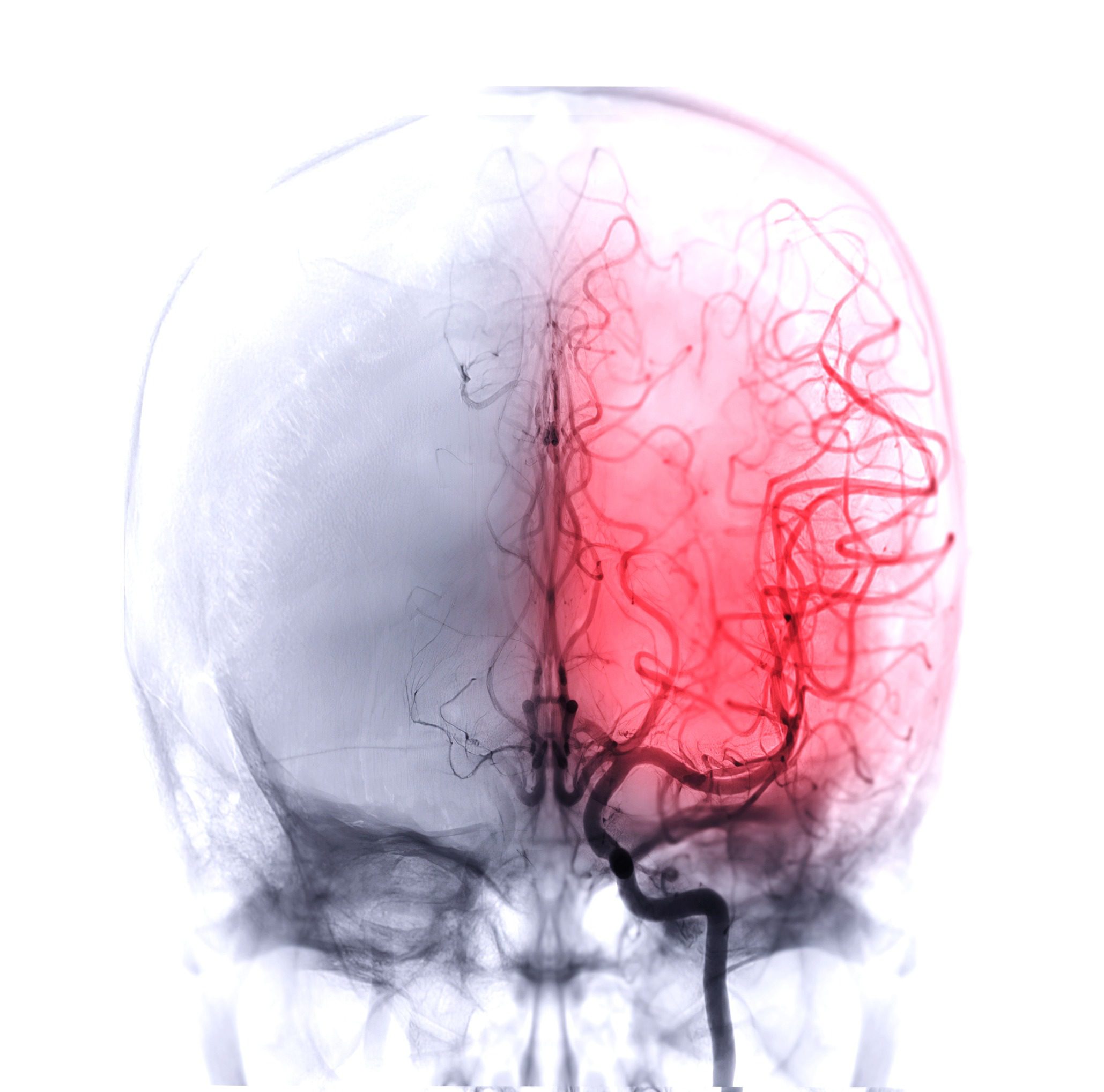
A blood clot (of a Thrombus) is a gel-like mass. They can form in the veins or arteries. When a blood vessel is damaged platelets release molecules to form a plug. This gradually grows into a clot. Normally other protein factors should stop it growing too much and break it down. You can read more about blood clots in this NHS resource.
Whilst you are under the care of a medical professional you are owed a duty of care by them. They must ensure that the care they provide to you meets the minimum expected standard, such as meeting professional standards.
Medical professionals should take steps such as;
For you to make a claim for a misdiagnosed blood clot you need to show that:
If a blood clot or DVT is not diagnosed and treated early patients could be left with serious complications and even life-changing harm. Blood clots could cause potentially life-threatening conditions such as;
If NHS negligence has caused the misdiagnosis of a blood clot, please call us for further advice.
A misdiagnosed blood clot or DVT could occur due to a doctor misinterpreting a patient’s symptoms. The symptoms of a DVT or blood clot may also present in a variety of other conditions ranging from muscle strains to cramps or sciatica.
It is important that healthcare professionals consider blood clots when making a diagnosis involving these symptoms. NICE, The National Institute of Health and Care Excellence publishes guidelines on deep vein thrombosis diagnosis.
According to the NHS, if any healthcare professional suspects you have a condition such as a DVT, you should be referred to a hospital. There an ultrasound scan should be carried out to detect the clot. The hospital may also perform an x-ray of the vein. This is called a venogram and a dye will be injected to highlight the location of any clots.
This referral should happen within 24 hours. The failure to refer a patient for a suspected clot in a blood vessel could be classed as clinical negligence and could lead to a misdiagnosis claim.
DVT or blood clot misdiagnosis could include:
It should be noted that if the medical professional did act in a way that other medical professionals would have done, you may not be able to make a misdiagnosis compensation claim.

How much compensation for misdiagnosed blood clots may be awarded is a frequently asked question. Compensation for a misdiagnosed blood clot is designed to compensate people for their pain and suffering as well as additional impacts that they have experienced. Blood clot compensation settlements may be made up of two parts. These are special damages (covering financial and other impacts) and general damages (covering pain and suffering).
A medical negligence solicitor or other parties in a claim may use guidelines published by the Judicial College (JC) to work out how much may be awarded for general damages. In our table below we take examples from the JC. Please be aware that the figure in the first row is not from the JC. It is an example of what could be awarded for a combination of multiple serious injuries and special damages.
| Type Of Harm | Severity | Compensation |
|---|---|---|
| Multiple and serious forms of harm with special damages. | Serious to severe | Up to £1,000,000+ inclusive of special damages. |
| Brain/ head | A - very severe | £344,150 to £493,000 |
| Brain/ head | B - moderately severe | £267,340 to £344,150 |
| Brain/ head | C - moderate - i | £183,190 to £267,340 |
| Brain/ head | C - moderate - ii | £110,720 to £183,190 |
| Brain/ head | C - moderate - iii | £52,550 to £110,720 |
| Brain/ head | D - less severe | £18,700 to £52,550 |
| Kidney | A - serious damage to both kidneys or the loss of. | £206,730 to £256,780 |
| Lung disease | A - a young person who suffers a serious disability and could die prematurely. | £122,850 to £165,860 |
| Lung disease | D - breathing difficulties which are short of being disabling. | £38,210 to £66,920 |
Special damages may be awarded to compensate you for costs and losses including:
Whether you sue the NHS for misdiagnosis or claim against a private services provider our team could help you. Contact us today.
In line with The Limitation Act 1980, if you are claiming compensation for blood clots you (generally) have three years in which to start the claims process.
For this reason, it’s important to submit your claim in a timely manner.
There are exceptions to this time limit where you may be able to claim beyond the general three year limitation period. These are;
In these cases when the time limit is suspended and the claimant is unable to claim for themselves, a Litigation Friend may be appointed by the court to act on their behalf.
Learn more about how long you may have to make a misdiagnosis compensation claim by speaking to a member of our team.

In order to claim for a misdiagnosed blood clot, you will need to provide evidence to show how a healthcare professional has acted negligently. This may be evidence which shows that a GP did not refer you to a hospital for further testing, that tests were carried out negligently or that a medical professional otherwise breached their duty of care to you.
Types of evidence which could help to prove the misdiagnosis of a blood clot may include:
As part of the medical negligence claims process you may be invited to an independent medical assessment where a report will be made that can be used when it comes to valuing the harm you have suffered. As well as this, a Bolam test may be carried out. This is where a panel of similarly trained medical professionals review whether the care you received was of that of a competent practitioner. The findings of this will be used as evidence in your case.
For more information on how to prove medical negligence and what evidence may support your claim, please contact our team.
You can find out if you are eligible to make a claim for a misdiagnosed blood clot by contacting our team. Our team could help you to make a complaint about misdiagnosis, provide advice on the types of evidence which could support a claim and could help to assess whether you have grounds to claim for the misdiagnosis of a blood clot.
Our team is on hand 24 hours a day, 7 days a week. If they think you are eligible to claim, they could connect you to a No Win No Fee solicitor. A solicitor could help you through a Conditional Fee Agreement. This is a type of agreement under which a solicitor can provide their services. There are no upfront fees for your solicitor’s work.
If you win your claim, your solicitor will deduct a success fee. This is calculated as a set percentage of your settlement. The percentage is legally limited, so you will keep the majority of your compensation.
To find out how to make a claim for a misdiagnosed blood clot, please contact our team. You can get a free consultation by using the following contact methods;

Here, we have included further examples of resources from our site.
Below, you can learn more:
Learn more about Good Medical Practice in this guide from the General Medical Council.
Read about Statutory Sick Pay in this government guide.
This British Heart Foundation resource contains more information on deep vein thrombosis.
Thank you for reading our guide to claiming for a misdiagnosed blood clot. For more information, please contact us.