







Free initial advice
A Guide To Housing Disrepair Claims
If you've been hurt, our trusted solicitors can help
No upfront fees. No obligation. A specialist will review your enquiry and come back to you.
Trusted by injured people across the UK




Free initial advice
If you've been hurt, our trusted solicitors can help
No upfront fees. No obligation. A specialist will review your enquiry and come back to you.
Trusted by injured people across the UK
Home sweet home? Or not so sweet? If you’re a council or housing association tenant with disrepair issues that have caused you harm, your home may be a dangerous or depressing place to be. This guide explains housing disrepair claims for compensation against your landlord or housing association and provides you with all the information needed on how to claim.
We start by explaining what is meant by the term ‘housing disrepair’ and the legal requirements that landlords owe you as a tenant. Common disrepair issues are explored, and we explain who is eligible to begin a claim. Compensation is explained, and we examine how it is calculated and what it typically covers. Also, you’ll find practical information about what evidence can help lay the foundation of a claim.
Our final section looks at working with our solicitors on your housing disrepair claim. They offer an array of excellent services to clients they represent, including working through a type of No Win No Fee agreement. This could help you access expert legal representation without needing to find money for solicitors’ fees.
Read on to learn more about the housing disrepair claims process, or speak to our advisors now. They can offer an immediate assessment of your case and answer any questions you are keen to discuss:
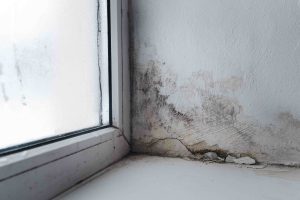
‘Housing disrepair’ is a term used to describe a property that needs repair in order to make it suitable and safe for a tenant to live in. A broad term, it can cover both minor and serious issues like:
Housing disrepair can worsen if not addressed and can have a direct impact on the tenant’s health and well-being. If you have an issue in your home and are unsure whether it is classified as housing disrepair, speak to our advisors for free help.
All council housing, housing associations or private tenants have the right to live somewhere that is safe and suitable. Under Section 11 of the Landlord and Tenant Act 1985, landlords are obliged to:
If you feel your disrepair falls under the remit of the landlord or housing association, and their failure to act caused you to become ill, get in touch to discuss housing disrepair claims for compensation.
With this framework of legislation in mind, we now look at some common housing disrepair issues and give an example of the injury they might cause to the tenant:
Many other scenarios could form the basis of housing disrepair claims. If you’d like to discuss yours, please speak with our advisors using the options above. They could connect you with our expert solicitors to set out a claim.
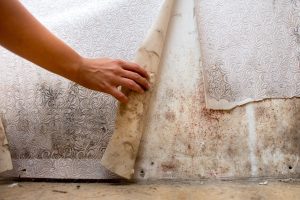
You could be eligible to claim compensation for housing disrepair if the issue caused you to be injured or become unwell. Personal injury claims like this must show that the harm was a result of your landlord failing to take sufficient steps to remedy the disrepair issue and was in breach of Section 4 of the Defective Premises Act 1972. For an eligible claim to start, the following criteria must be met:
Additionally, if the repair necessitated relocating to a new social home or other facility, the criteria may apply, and a claim could be made against the previous landlord.
You may also qualify to claim compensation for housing disrepair against a private landlord. Under the Homes (Fitness for Human Habitation) Act 2018, tenants in private property have the same rights as council or housing association residents.
A claim must meet the same three criteria we looked at above. If you’d like to discuss eligibility with our advisors, please get in touch. They can also assist with any other questions you may have about housing disrepair claims.
How much compensation a tenant could receive in a successful housing claim for personal injury will vary between cases. That’s because if you are making a personal injury claim for housing disrepair under the Defective Premises Act, your claim will have different factors going into it than another tenant’s.
If substandard living conditions have caused you injury or illness and your claim is successful, the compensation you receive can be made up of two areas called general and special damages. General damages cover the physical and psychological harm, and special damages cover the financial losses you’ve experienced because of the disrepair.
The table below is made up of examples from the Judicial College Guideline (JCG). This document provides guidelines for compensating a wide range of injuries based on their severity. They are drawn from past cases in England and Wales but are only used as a very approximate guide. Actual compensation amounts will always vary. Also, our first figure is not from the Judicial College Guidelines:
| AREA OF HARM | SEVERITY | COMPENSATION GUIDELINES | DEFINITIONS |
|---|---|---|---|
| Examples of more than one severe injury/harm and Special Damages payment. | Severe | Up to £100,000 plus | Awards of this size would indicate severe, multiple injuries or harm and special damages for the impact on livelihood, medical needs and provision of care. |
| Asthma | (a) Severe and permanently disabling | £52,550 increasing to £80,240 | Cases that cause prolonged coughing fits, disturbs sleep and severely impairs quality of life and physical activity. |
| (b) Chronic | £32,090 increasing to £52,490 | Where breathing difficulties are created and inhaler use is required periodically. | |
| (c) Asthma/Bronchitis | £23,430 increasing to £32,090 | Where bronchitis and wheezing impact work or social life, but possibility of substantial recovery exists after a few years post-exposure to the cause. | |
| (d) Relatively mild | £12,990 increasing to £23,430 | Mild examples, often typical of those caused by exposure to a harmful vapour. | |
| (e) Mild asthma | Up to £6,280 | Cases of mild asthma, bronchitis, cold or chest infection that results from exposure to unfit homes and resolves in 6 months. | |
| Psychiatric Harm | (b) Moderately Severe | £23,270 increasing £66,920 | Significant problems caused to the person's ability to deal with normal life and relationships. |
| Dermatitis and other skin conditions | (a) Both hands | £16,770 increasing to £23,430 | Soreness and cracking on both hands that impacts work and home life and lasts for some years. |
| (b) Significant dermatitis on one or both hands | £10,550 increasing to £13,930 | A significant duration of injury which does settle after treatment and may only require use of gloves for certain activities. | |
| (c) Irritation on one or both hands | £2,080 increasing to £4,820 | Irritation and itching on one or both hands that after treatment, resolves within a few months. |
Alongside the physical and psychological injuries themselves, other factors can influence the calculation of compensation. For example:
Special damages are the head of loss that takes financial harm into account. To include this in housing disrepair claims, the person will need to present documented evidence that clearly shows the expense or loss created by the injury. For example:
Our solicitors are experts at helping people gather evidence. They can use it to calculate a more detailed compensation amount. If you’d like to see if they could help you, start by talking to our advisors about housing disrepair claims for personal injury today.
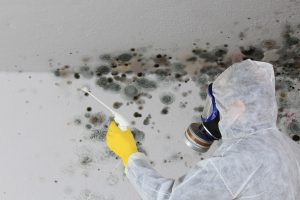
When beginning a housing disrepair claim, there is a time limit to be aware of. The Limitation Act 1980 allows a period of 3 years in which to start personal injury claims or 6 years for claims of housing disrepair without injury (known as breach of contract).
A claim can start from the date of the original injury. Alternatively, it can begin from the date when it was assumed that the illness or injury was caused by a failure to repair the problem. For example, the date when asthma first presented itself after mould spores were left untreated.
It is worth noting that some parties will not be able to begin the claims process themselves. This includes children under the age of 18 and those without the mental capacity required to manage a claim. In these cases, the time limits will be suspended until the child turns 18 or the person recovers their mental capacity. However, a litigation friend could be appointed to act on behalf of either party while the time limit is frozen. Speak to an advisor to find out more.
With this in mind, it’s also important to start assembling medical evidence of the harm caused to you. You can also consider working alongside a solicitor at this point. We can help with this if you get in touch.
The best way to start your housing disrepair claim is to collect evidence of both the disrepair issue and how it has impacted your health (if claiming for personal injury as well). With this in mind, the following can help:
Solid evidence can help your argument that the landlord is liable. If you’d like help understanding what evidence you could use in your claim, get in touch. We can also offer useful information about any aspect of housing disrepair claims.
In the majority of cases, it is not necessary to take a claim for housing disrepair all the way to court. With a skilled personal injury solicitor by your side, a settlement can often be negotiated between you and your landlord and settled out of court.
This process may involve the landlord making compensation offers. If you appoint one, your solicitor can give expert advice on when to accept the offer or seek more. If an amount cannot be agreed upon, the case may have to be taken to court.
To see if you can benefit from excellent legal representation in or out of court, speak to our team first.

When looking for the right housing disrepair solicitors to handle your personal injury claim, we can help. Our solicitors are experts in this field and have helped clients secure over £80 million in compensation. They offer a wealth of advantages to the clients they represent:
All these services can be offered through a Conditional Fee Agreement (CFA). This requires no upfront solicitor’s fees or any payment for their work as the claim progresses. If the claim fails, no solicitor’s fees apply for completed work.
A success fee will only need to be paid to the solicitors if the claim is successful. This is a percentage of the compensation that has a legal limit applied to it. This guarantees that the person seeking compensation can expect to receive virtually all of their payout.
If you’re interested in seeing whether our solicitors could handle your claim this way, get in touch:
If the claim succeeds, the compensation is paid by the insurer of the housing association, the local authority or the private landlord. They are required by law to have insurance policies in place to cover the properties they let out.
A landlord cannot legally evict you for starting a personal injury claim for housing disrepair. If they do, you could have grounds for a different challenge against your landlord for retaliatory action like this.
No. It is never advisable to withhold rent payment as this would put you in breach of your tenancy agreement and potentially compromise your claim for disrepair.
The focus of this guide was housing disrepair claims, and the following links offer more information on related topics:
External information to help:
We appreciate you taking the time to read our guide on housing disrepair claims. Our advisory team is standing by to assist you with any questions or concerns you may have about legal costs and the compensation claim process.