







Free initial advice
How Much Compensation For Leg Injury Claims?
If you've been hurt, our trusted solicitors can help
No upfront fees. No obligation. A specialist will review your enquiry and come back to you.
Trusted by injured people across the UK




Free initial advice
If you've been hurt, our trusted solicitors can help
No upfront fees. No obligation. A specialist will review your enquiry and come back to you.
Trusted by injured people across the UK
A leg injury claim is a legal process, enabling you to seek compensation if you have suffered harm to one or both legs due to someone else’s negligence. This could include physical damage such as a broken leg, soft tissue injuries, or more serious leg injuries, as well as the financial and emotional impact that follows. As part of broader personal injury claims, leg injury claims can help address both the immediate effects of the injury and its long-term consequences.
In most cases, claims must be started within 3 years of the accident, although there are exceptions. Examples of accidents that can damage your leg include those on the road, at work, slips or trips in public places, and incidents involving medical negligence.
Compensation awarded in leg injury claims can help cover a range of losses, including pain and suffering, lost income, medical treatment, rehabilitation, and any ongoing care needs. Our specialist personal injury solicitors offer a No Win No Fee service, meaning you can usually pursue a claim without paying upfront solicitors fees.
Accident Claims offers a fully comprehensive service, taking you from first enquiry with one of our friendly advisors to settlement of your leg injury claim. Once a solicitor agrees to support your leg injury claim, they can connect you to medical experts to help your recovery or a cleaner to ensure you don’t fall behind on your housekeeping. Our solicitors understand that every leg injury is as different as every claimant; therefore, they will tailor their approach to suit your needs.
Contact our team today to start your leg injury compensation claim.

 4.8
4.8You could make a leg injury compensation claim if a liable person, business or organisation failed to ensure your reasonable safety, causing you an injury. To succeed, leg injury claims must show that negligence occurred, that the injury was caused by that incident, and that a valid claim can be supported with evidence.
Three key criteria must be met:
Another person, employer, business, or organisation must have acted with reasonable care towards the safety of others. This applies in situations such as workplace accidents, road traffic accidents, and public spaces where safety standards should be maintained to prevent leg injuries.
You must show that this duty was breached. Examples include unsafe working practices, negligent driving, poorly maintained premises, or failures in medical care that lead to serious leg injuries.
You must have suffered a medically recognised injury directly caused by the breach. This can range from minor leg injuries through to long-term or permanent damage. Medical evidence is typically required to support the claim and link the injury to the incident.
If you are unsure whether you can proceed, one of our specialist personal injury solicitors can assess your case and explain your options, including whether you are eligible to make a leg injury compensation claim. Speak to an advisor to find out more.

Examples of leg injury claims include those for slips and falls in public places, being struck by a car, workplace accidents caused by unsafe conditions, negligent medical treatment, and those caused by criminal assaults.
Below, we outline examples of leg injury claims.
Leg injuries at work can occur when an employee is injured due to unsafe conditions, a lack of training, or other forms of employer negligence. Examples can include:
Public liability leg injuries can occur due to unsafe conditions such as spills, defects, or poor maintenance in a public space. Examples can include:
An injured leg could occur in a road traffic accident caused by careless or negligent driving, including failures to observe, control, or anticipate hazards. Examples can include:
Medical negligence leg injuries can occur when avoidable errors in diagnosis, treatment, or aftercare cause or lead to worsening conditions or preventable harm. Examples can include:
Leg injuries from criminal assault can occur when a person suffers physical harm due to intentional violence or force from another individual. If you suffered a crime of violence in Great Britain, the Criminal Injuries Compensation Authority (CICA) may pay your compensation from a set tariff. Examples can include:
These examples show common situations in which a leg injury may be caused by someone else’s negligence. Speak to our advisors today about leg injury claims.

Leg injury compensation could be claimed for injuries such as broken legs, crush injuries, nerve damage, and amputations. These could affect one or both legs, causing temporary or permanent loss of function.
You might be able to claim compensation for:
Speak to our advisors today about your injury and the incident that caused it. They can discuss leg injury claims and assess whether you are eligible to start one.
How much compensation you can get for an injured leg depends on the severity of the injury, the long-term impact on mobility and daily life, and the extent of any permanent disability, as well as the financial impact of your injuries.
Awards for the physical pain and mental suffering may be assessed using the Judicial College Guidelines (JCG). This document lists compensation brackets for different types of injuries and is often used by those involved with the claims process to value general damages (your pain and suffering).
The JCG sets out the following relevant leg injury compensation brackets.
| Injury Type (JCG Category) | Notes | Compensation Range |
|---|---|---|
| Multiple very severe injuries | Multiple serious injuries with significant long-term impact; special damages may include loss of income, care costs, and rehabilitation expenses | Up to £1,000,000+ |
| (a) Amputations (i) loss of both legs | Phantom pains, age, associated psychological problems, prosthetics and back ache are considered. | £318,120 to £372,570 |
| (a) Amputations (iii) loss of one leg above knee | Level of amputation, phantom pains and other stump problems as well as success of prosthetics are considered. | £138,490 to £181,610 |
| (a) Amputations (iv) loss of one leg below knee | Serious permanent injury requiring prosthesis and ongoing adjustment | £129,440 to £175,690 |
| (b) Severe leg injuries (i) most serious, short of amputation. | compensation awarded at a similar level to that for amputations. | £127,160 to £179,56 |
| (b) Severe leg injuries (ii) very serious | Very serious injury with permanent disability and major functional loss | £72,440 to £117,210 |
| (b) Severe leg injuries (iv) moderate. | Complicated injury with ongoing symptoms and reduced function. | £36,680 to £51,790 |
| (c) Less serious leg injuries (i). | Fractures leading to an incomplete recovery. | £23,730 to £36,680 |
| (c) Less serious leg injuries (ii). | Simple femur fractures. No articular surface damage. | 12,040 to £18,600 |
| (c) Less serious leg injuries (iii). | Simple tibia/ fibula injury or those to the soft tissues. | up to £15,640 |
These figures are guidelines only and actual leg injury compensation amounts depend on medical evidence, prognosis, and individual circumstances. Note: The “Multiple very severe injuries” entry is not a formal JCG bracket. It is included as an illustrative example where general damages and special damages (such as lost earnings and care costs) may significantly increase overall settlement value.
Leg injury claims can also cover financial losses, including lost income, medical treatment, and care needs during recovery. These are known as special damages and are assessed using evidence such as payslips, receipts and invoices.
Losses may include:
As part of your free consultation, one of our advisors can discuss what expenses you had and provide an estimate of how much leg injury compensation you could claim.
4.8
The leg injury compensation claim process involves seeking medical treatment, gathering evidence of the accident and injury, reporting the incident, and working with a solicitor to build your claim.
Key steps in leg injury claims usually include:
Taking these steps early can improve the strength of your personal injury claim and help ensure key evidence is not lost.
Contact our advisors about leg injury claims and get clear advice on your next steps.
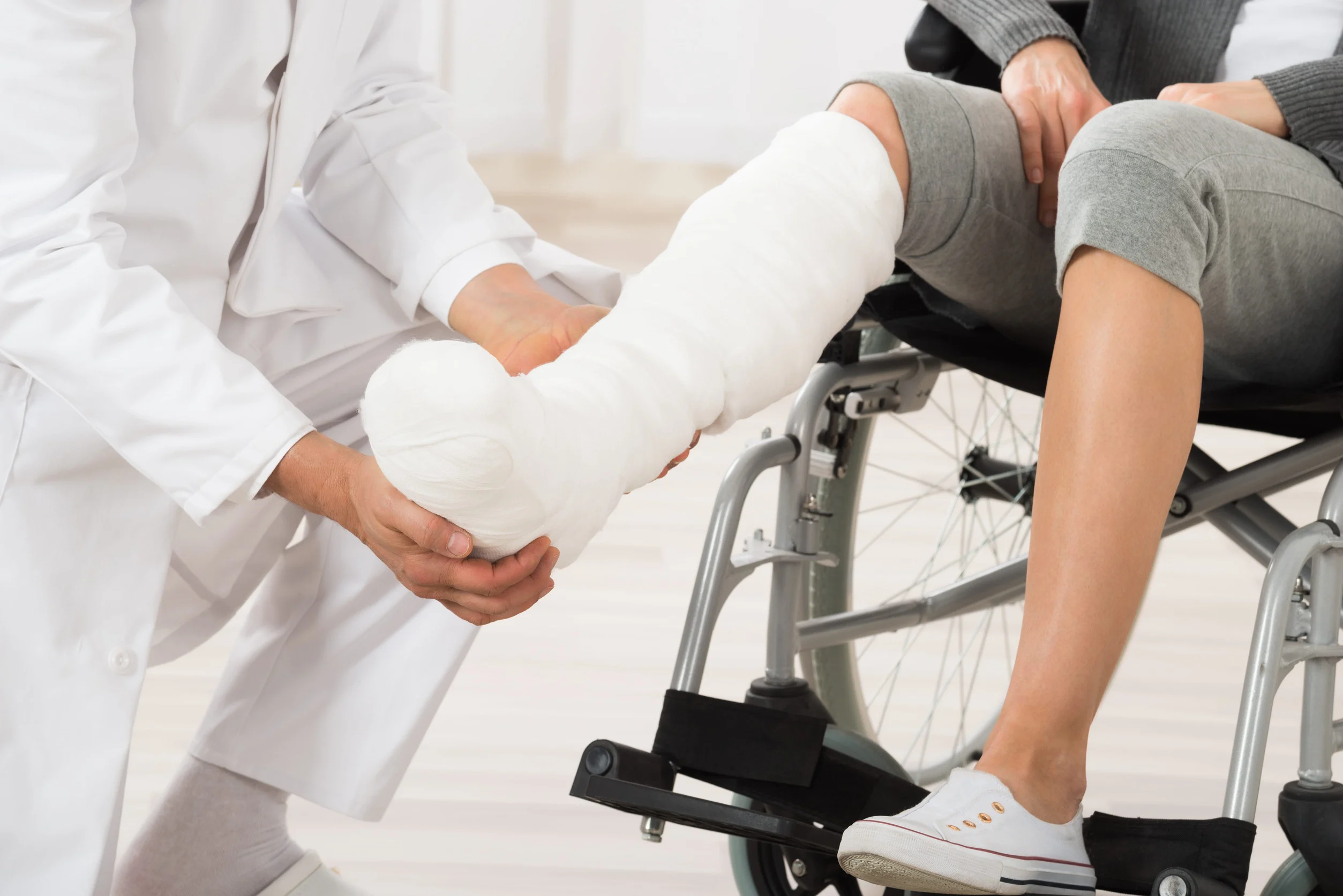
At Accident Claims, our specialist personal injury solicitors help you seek leg injury compensation, securing your financial recovery after an accident.
Our specialist personal injury solicitors understand how a leg injury can affect your mobility, ability to work, and independence. They focus on building strong leg injury claims that reflect the full impact of your injuries and losses. A solicitor could provide support including:
Our specialist personal injury solicitors handle leg injury claims on a No Win No Fee basis through a Conditional Fee Agreement (CFA). This means you do not pay any upfront solicitors’ fees to start your claim.
With a CFA in place, you are not charged for your solicitor’s work while your case is ongoing. However, there is a legally capped success fee if your claim is successful. This will be taken as a pre-agreed percentage of your compensation. This means you can pursue compensation without the risk of ongoing solicitors’ fees.
Our team will manage your case from the initial enquiry through to settlement. They will help gather evidence, assess your injuries, and secure compensation for your recovery and financial losses.
Contact Accident Claims today to speak with our team to start your leg injury claim.
Our team is ready to help you understand your options and begin your claim for compensation.

Learn how to claim leg injury compensation with these resources.
References.
Contact us today to speak with our team about your leg injury claim and start your case.